

Food safety covers several areas
Behind every product on the shelf or meal in a restaurant is a chain of practices designed to ensure that food is safe, traceable, and consistently high-quality. From production and processing to transport, storage, and preparation, food safety protects consumers and helps businesses maintain trust and compliance.
1. Hygiene & Sanitation
This includes clean facilities, proper personal hygiene, sterilized equipment, and preventive cleaning routines. It ensures that harmful microorganisms don’t spread during food handling.
2. Temperature Control & Storage Conditions
Many foods are temperature-sensitive. Correct storage and transport conditions particularly keeping foods out of the “danger zone” where bacteria multiply are critical to product safety.
3. Cross-Contamination Prevention
Raw and ready-to-eat foods must be kept separate. Safe handling practices include dedicated tools and surfaces, correct thawing, and carefully controlled food-flow processes.
4. Traceability & Record-Keeping
A robust food-safety system tracks ingredients from origin to consumer. Traceability makes it possible to act quickly in case of contamination or recalls and builds transparency into the supply chain.
5. Compliance With Regulations & Standards
Food operators must follow recognized frameworks like HACCP, GMP, and regional or national regulations. Standards create consistency and define clear expectations for food safety across the industry.
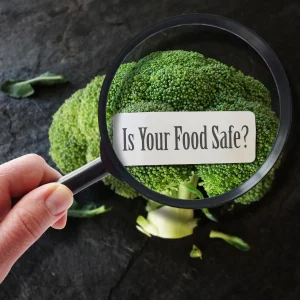
Is the food that we are consuming safe?
Why Food Safety Is Critical
Protecting Consumer Health
Safe food prevents illnesses caused by bacteria, viruses, toxins, or poor handling. Foodborne diseases are preventable but only when strong safety practices are in place.
Building Trust and Reliability
Customers rely on businesses to provide safe products. Consistency in safety practices strengthens brand reputation and consumer confidence.
Enabling Trade and Market Access
Compliance with recognized safety standards is essential for entering international markets or collaborating with larger distributors and retailers.
Reducing Business Risks
Food-safety failures can lead to product recalls, fines, lawsuits, or significant reputational damage. A strong food-safety system minimizes these risks.

Spoiled food
What Strong Food Safety Looks Like
Effective food safety is an ongoing process, woven into the culture of every food business. It typically includes:
-
Trained and knowledgeable staff who understand hygiene and hazard-control rules.
-
Clean equipment and facilities, with sanitation protocols executed consistently.
-
Continuous monitoring, internal checks, and external audits to verify compliance.
-
Detailed documentation and traceability, ensuring every product can be tracked.
-
Preventive risk management through systems like HACCP, which help identify hazards early and prevent issues before they happen.
The Role of Standards and Regulations
Food safety is supported by a structured regulatory framework. Standards like HACCP and GMP help businesses define critical control points, maintain hygiene, and ensure traceability. National and international laws provide additional guidelines, responsibilities, and enforcement mechanisms.
These frameworks create a shared language across the food industry allowing suppliers, manufacturers, and governments to collaborate effectively and maintain consistent safety expectations.
But even the best standards require the right culture: commitment, accountability, and continuous improvement.

Hazard Analysis and Critical Control Points
Food Safety Is a Shared Responsibility
Food safety is upheld by everyone in the chain:
-
Producers grow and harvest raw materials safely.
-
Processors and manufacturers control hazards and keep equipment sanitary.
-
Retailers and restaurants store and prepare food under safe conditions.
-
Consumers handle, cook, and store food properly at home.
When every step is taken seriously, the entire food system becomes safer, more transparent, and more reliable.

Restaurant food
In summary
Food safety isn’t just about following rules it’s about having clear, reliable insight into what’s happening with your products. Sensors help provide that clarity. By continuously tracking temperature, humidity, and storage conditions, they remove guesswork and make it easier to spot issues early.
When everyday food-safety practices are supported by accurate, real-time data, businesses can maintain consistency, simplify compliance, and reduce preventable risks. It’s a practical, modern way to keep food safe and operations running smoothly.