

Whether it’s a temperature sensor in a cold storage room, a soil moisture probe in an agricultural field, or an air quality monitor in an industrial facility, the placement of the sensor determines whether the data reflects reality or a misleading artefact of local conditions.
Why it matters for different use cases
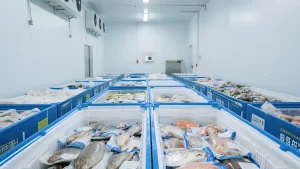
Food safety and Cold Chain Monitoring
Sensors such as our Temperature Only Sensor (STO10) are designed to continuously monitor temperatures where human checks are insufficient or error-prone. These LoRaWAN-enabled devices help automate HACCP compliance and reduce manual recording errors. Proper placement in cold rooms, refrigerators, or transport vehicles means your reading reflects the actual conditions food experiences, not just ambient air near a vent.
This is critical because food safety standards depend not only on having sensors but on trusted and defensible data that shows temperatures stayed within safe limits over time.
Agriculture and Soil Monitoring
For farming and resource management, sensors like the Soil Moisture Sensor (SSM40) measure moisture levels that determine irrigation needs and crop health. When a sensor is installed too shallowly, too deep, or in a non-representative spot, the readings may indicate false dryness or wetness, leading to over-watering or under-watering crops.
Getting the placement right ensures:
Efficient use of water resources
Better crop yields
Reduced environmental stress and input waste

Industrial and Microclimate Applications
Indoor microclimate sensors such as the SMC30 / SMC30-OUT provide a rich picture of temperature, humidity, and air pressure in industrial or commercial settings. These readings affect HVAC system performance, product storage environments, and working conditions.
Proper placement avoids:
Readings skewed by localized heat sources
Sensors blocked by equipment
False alarms due to isolated airflow pockets

Key principles that maximize sensor accuracy
Whether you’re deploying sensors for food safety, agriculture, air quality, or industrial monitoring, several placement principles improve data quality:
1. Place sensors where the condition truly matters
Identify the environment or product the sensor is meant to represent. Place the device where it sees that environment most accurately not where it’s convenient or out of the way.
2. Avoid artificial extremes
Do not put sensors right next to vents, doors, or direct heat sources, as these can distort the measurement away from the typical conditions experienced by products or people.
3. Secure, stable installation
Sensors must remain fixed during their service life. Movement due to cleaning, restocking, or equipment changes introduces significant variability.
4. Maintain hygiene and safety
For sensors in food environments, avoid contact with unpackaged food and ensure any mounting method supports cleanability and food safety compliance.

How we approach sensor placement
At Senzemo, we build sensors that are:
Highly reliable with up to 7 years of battery life on low-power LoRaWAN networks
Compatible with open platforms and custom analytics dashboards
Designed for real-world environments, from agriculture to industrial cold chains
Backed by 24/7 support and configurable integration options
But no matter how advanced the sensor technology, its effectiveness always starts with thoughtful deployment placing sensors where they can truly measure what matters.